J187 Notice: Liquidation and Distribution Account Explained
Quick Answer
The liquidation and distribution account is the full financial statement of a deceased estate. Under Section 35(5) of the Administration of Estates Act, the executor advertises it on the J187 form so that the account lies open for public inspection for 21 days before anyone is paid.
What the Liquidation and Distribution Account Is
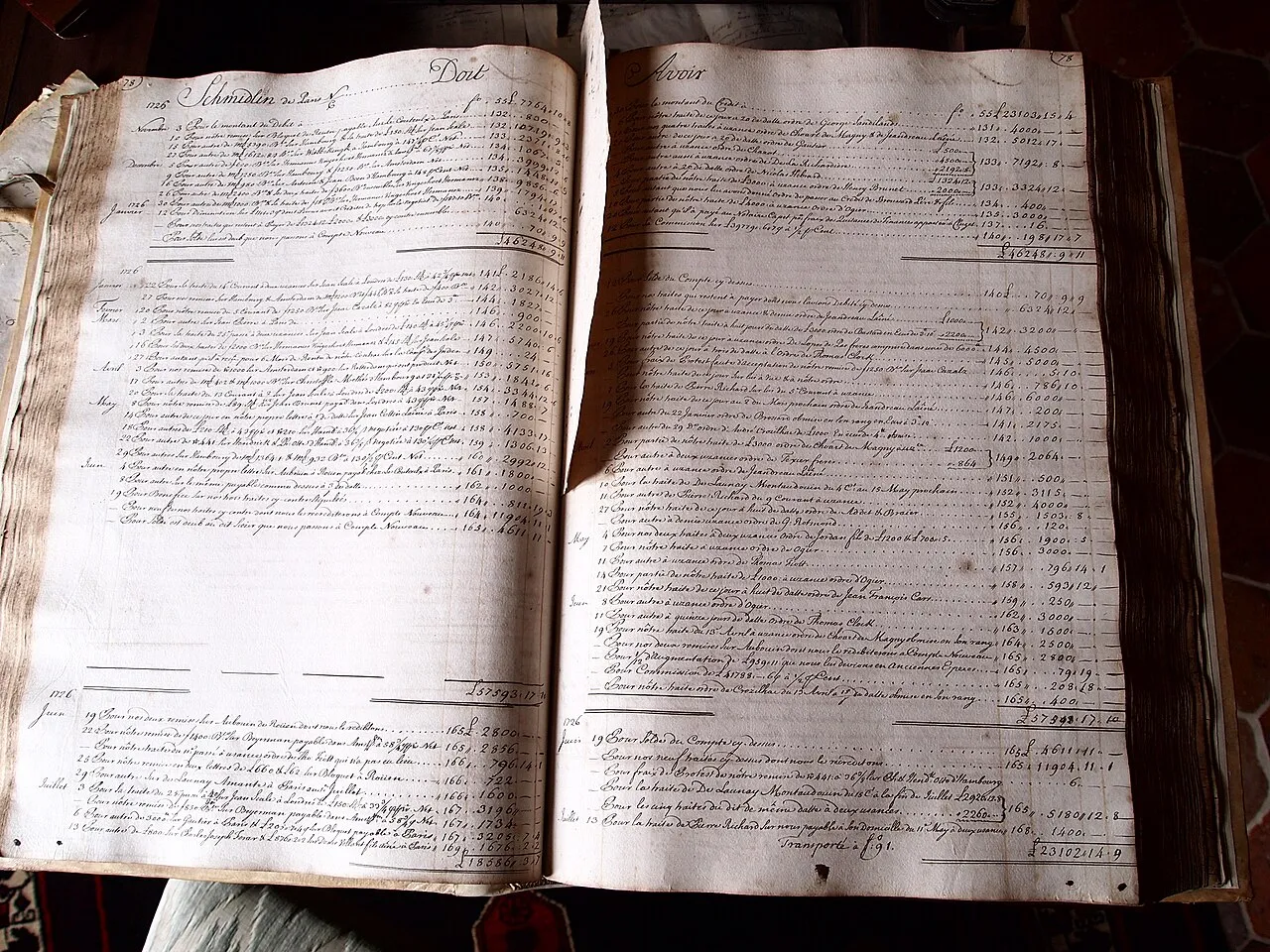
The account is the moment of truth in every estate. Prepared by the executor after the J193 notice to creditors has run its 30 days and the debts are known, it sets out every asset the deceased owned, every liability, the costs of administration, and exactly how the remaining balance is divided between the heirs.
Because this document decides who receives what, the law insists on transparency: before the account can take effect, the public must be given a chance to inspect it and object.
What Section 35(5) Requires
- The account is lodged with the Master of the High Court.
- The executor advertises the account on the prescribed J187 form in the Government Gazette and in a newspaper circulating in the district where the deceased lived.
- The account then lies open for inspection for 21 days at the office of the Master and, where applicable, the office of the local magistrate.
- Anyone with an interest may lodge a written objection with the Master within those 21 days.
What Goes Into the Account
- Immovable property, vehicles, bank accounts, investments and personal belongings.
- Debts of the deceased, funeral costs and administration expenses.
- The fees of the executor, calculated on the statutory tariff.
- Estate duty and capital gains tax, where applicable.
- The final distribution: who inherits what, and how much.
Objections: What Happens If Someone Disagrees
An heir who believes the account short-changes them, or a creditor whose claim was left out, can object in writing to the Master within the 21-day inspection period. The Master considers the objection and may direct the executor to amend the account. Only when the account is confirmed — with no objections outstanding — may the executor pay out.
From Advert to Payout: The Timeline
- The executor prepares and signs the account and lodges it with the Master.
- The J187 advert appears in the Friday Government Gazette and the local newspaper.
- The account lies open for inspection for 21 days.
- With no objections, the Master confirms the account.
- The executor pays creditors and distributes the balance to the heirs.
Frequently Asked Questions
What is the difference between Section 35(5) and the J187 form?
Section 35(5) of the Administration of Estates Act 66 of 1965 is the law that requires the account to lie open for inspection. J187 is the prescribed form used to advertise that the account is available.
Where can the public inspect the account?
At the office of the Master of the High Court where the estate is administered and, where applicable, at the office of the magistrate of the district where the deceased lived, for 21 days from the date of the advert.
Can an heir object to the account?
Yes. Anyone with an interest, including heirs and creditors, may lodge a written objection with the Master within the 21-day inspection period. The Master considers the objection and can order the account to be amended.
How long after the J187 advert is the estate paid out?
If the 21 days pass with no objections, the Master confirms the account and the executor may pay creditors and distribute the balance to the heirs. This usually happens within a few weeks of confirmation.
Who signs the liquidation and distribution account?
The executor signs and lodges the account with the Master. An estate administrator or attorney may prepare it, but the executor remains responsible for its accuracy.
Related Guides
- J187 Liquidation & Distribution Account Service — let us draft and place the advert for you
- J193 Notice to Creditors Explained — the 30-day advert that comes before the account
- Deceased Estate Notices Glossary and FAQs — every estate term explained in plain English
- Recent Deceased Estate Notices — notices we have published in recent Gazettes
Official Resources
- Official J187 Form (PDF) — the prescribed advertisement wording
- Administration of Estates Act 66 of 1965 (PDF) — Section 35(5) sets out the inspection rules
- Government Printing Works: Legal Gazettes — download every published Gazette free of charge
Ready to Advertise? Talk to Nicolette
Send us the estate details and we will prepare the notice, a fixed quotation, and the publication plan for the next Friday Government Gazette.
Last reviewed on 2 October 2026 against the Administration of Estates Act 66 of 1965 and the publication requirements of the Government Printing Works. Admin Boss – Estate Division is a notice publication and administrative service, not a law firm; we do not give legal advice.